Anthropic and OpenAI Race to Form Enterprise AI Joint Ventures
Using PE and VC portfolios as distribution channels, both AI labs are going all-in on commercialization — with the Palantir-style forward-deployed engineer as their secret weapon
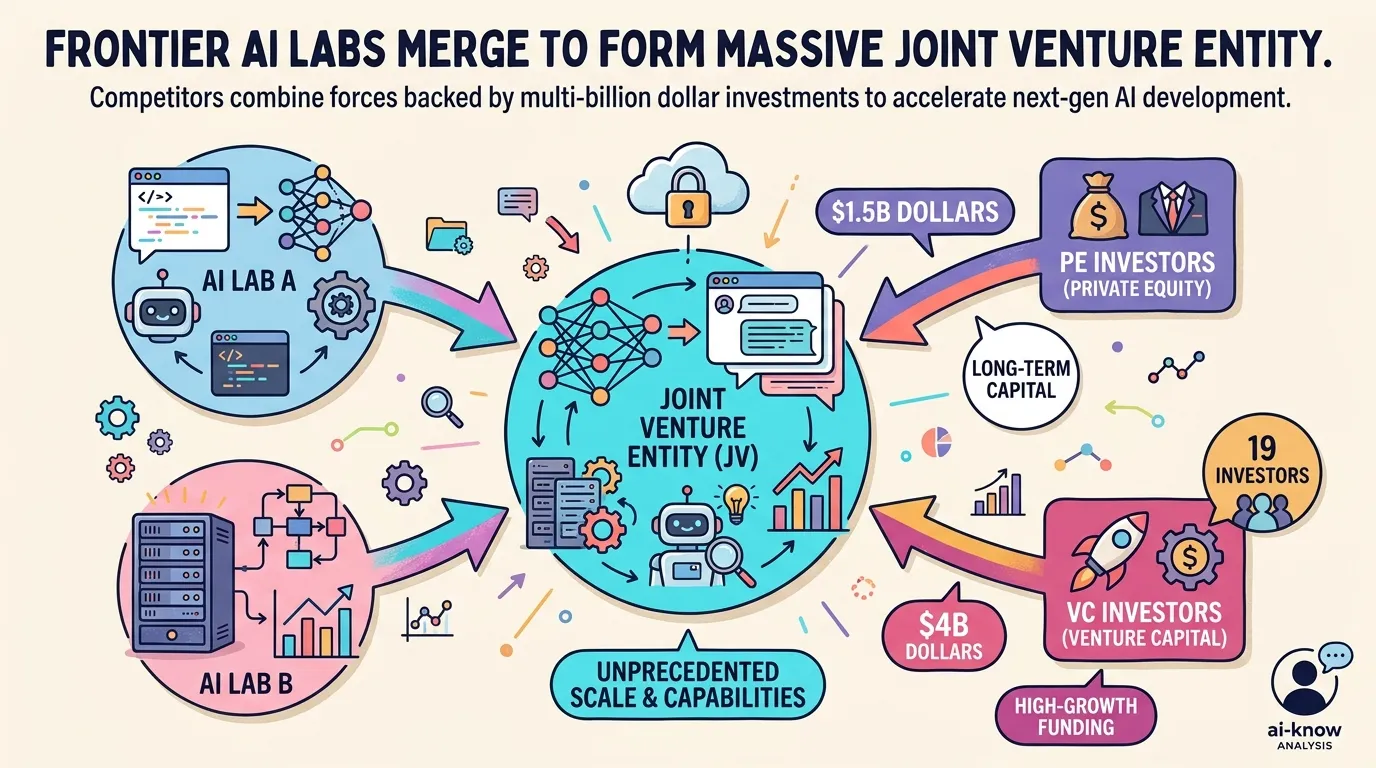
Within the span of a single news cycle, two of the world’s leading AI labs announced strikingly similar moves: both Anthropic and OpenAI are forming joint ventures designed to accelerate Enterprise AI adoption by leveraging the existing portfolio companies of major private equity and venture capital firms.
The strategic logic is the same: bring in PE and VC as capital partners, gain preferential access to sell into their portfolio companies, and turn investment relationships into distribution channels.
Anthropic’s JV: $1.5B Valuation, Financial Heavyweights
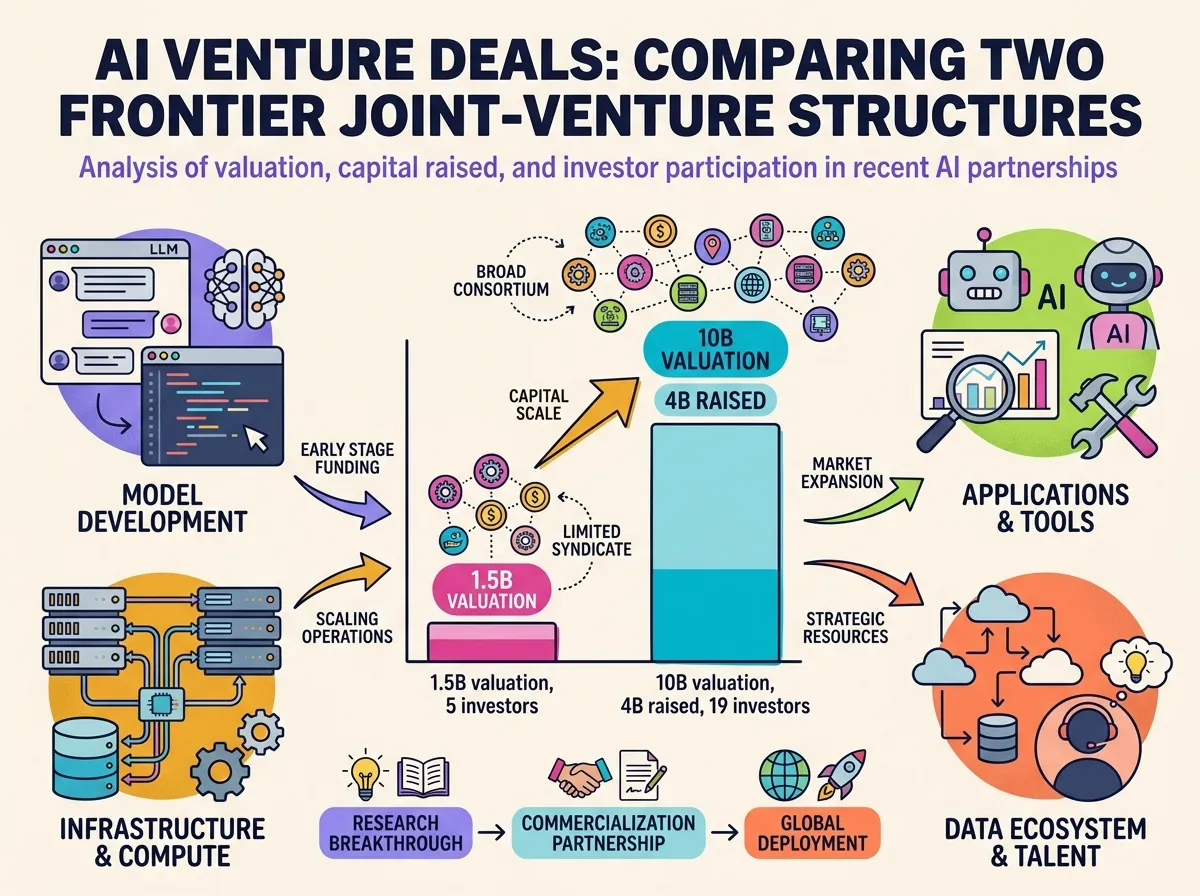
Anthropic’s JV counts Blackstone, Hellman & Friedman, and Goldman Sachs as anchor partners, with each contributing approximately $300M. Additional investors from the VC and PE world — including Apollo Global Management and Sequoia Capital — round out the partnership at a $1.5B valuation.
The structural logic is clear: Anthropic gains preferential access to sell Claude-powered products to portfolio companies across its investors’ vast networks, potentially hundreds of enterprises in a single deal structure.
OpenAI’s JV: $10B Valuation, $4B Raised
OpenAI’s vehicle, dubbed “The Development Company,” drew $4B from 19 investors including TPG and Brookfield Asset Management, at a $10B valuation — significantly larger than Anthropic’s play. The same core mechanic applies: preferential sales rights to investor portfolio companies.
That both companies independently landed on the same playbook tells us this model is becoming a standard approach for AI Commercialization — turning capital partners into distribution channels.
The Forward-Deployed Engineer as the Ground Crew
The execution model underpinning both JVs is the Forward-Deployed Engineer (FDE) — a role that Palantir famously deployed to embed its data platform directly into government and defense workflows.
AI’s value is created through integration, not delivery — the principle Palantir proved in government, and that Anthropic and OpenAI now intend to replicate in the enterprise.
An API alone rarely rewires a company’s workflows. Real transformation requires someone on-site who understands both the AI stack and the business process. The FDE model provides exactly that capability, and both JVs are explicitly adopting it.
The IPO Timeline Is the Subtext
Neither Anthropic nor OpenAI is publicly traded, yet both are burning significant capital on research and infrastructure. The JVs represent a credible answer to a question any IPO prospectus will face: Where does the revenue come from?
By selling to known enterprise buyers through trusted financial intermediaries, both companies can build ARR with lower customer acquisition costs than a cold-outbound sales motion would allow. The moment Enterprise AI became a line-item budget rather than an experiment, the race to own that budget began.
What This Means for Enterprise Buyers
For enterprise technology buyers, this signals that AI procurement is shifting from experimental pilots to serious vendor relationships. If your PE-backed parent company just co-invested in one of these JVs, expect a call about an AI deployment roadmap — and an FDE ready to show up at your office.
Related Articles
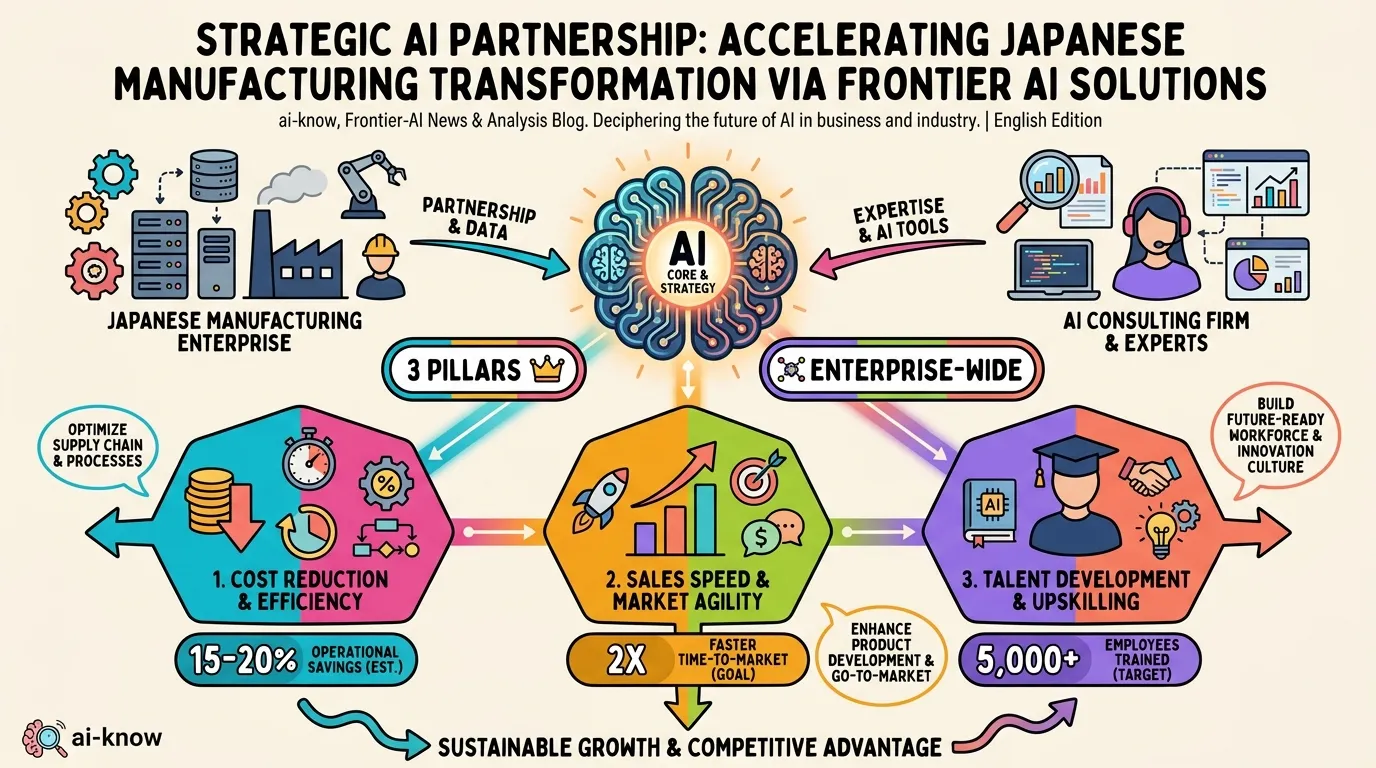
Accenture × NSK: AI-Driven Business Reinvention Moves to Full Scale in Japanese Manufacturing
The Year AI Agents Reshape Enterprise Systems — MCP Becomes the Connectivity Standard
How OpenAI Rebuilt Its WebRTC Stack from Scratch to Deliver Low-Latency Voice AI at Scale