AI Agent Architecture in 2026: Four Essential Design Patterns for Production
A practitioner guide to choosing the right agent architecture for production workloads in 2026
AI Agent Development Has Entered Its Design Era
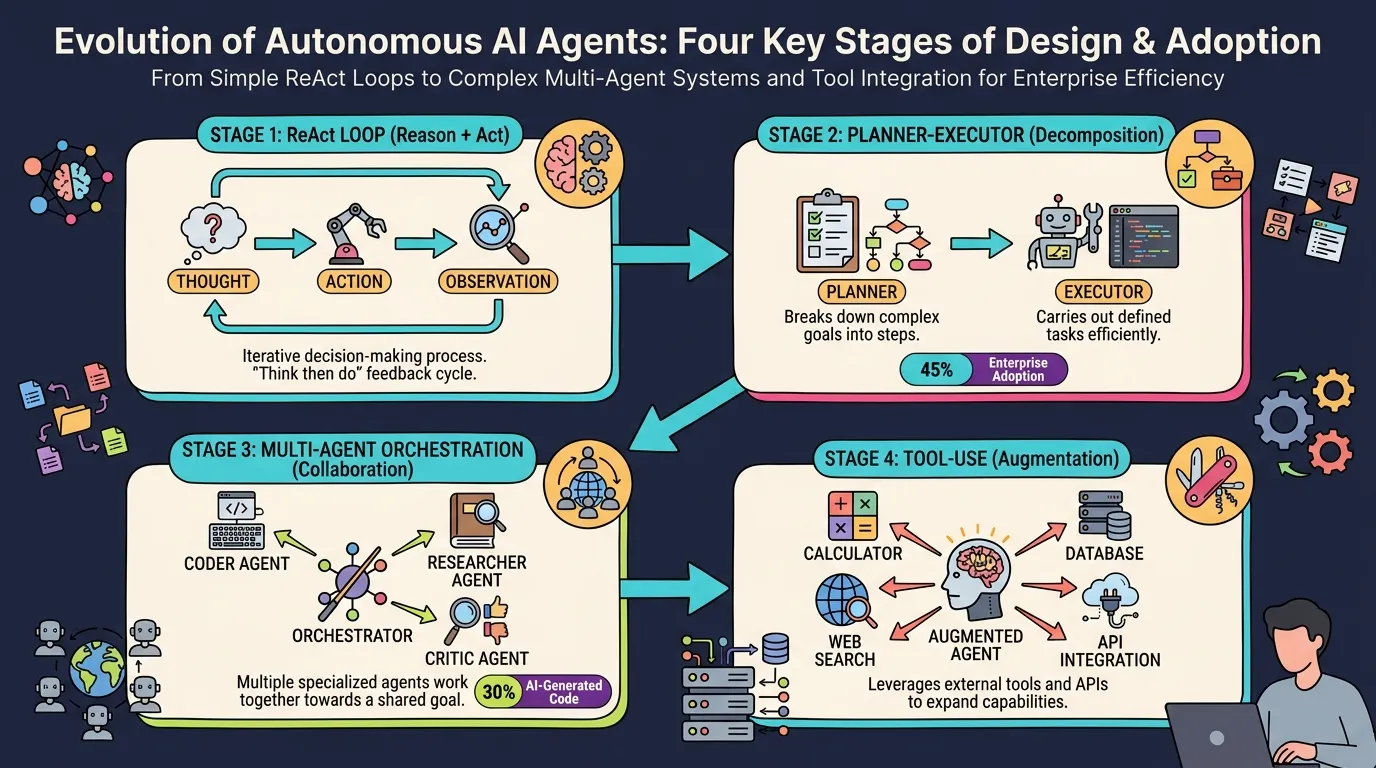
By 2026, roughly 45% of enterprise developers use AI agents in their daily workflows, and about 30% of code is now AI-generated. Driving this rapid adoption are two converging forces: the industry-wide standardization of Model Context Protocol (MCP) (MCP) and the maturation of agentic design patterns.
A comprehensive Japanese-language implementation guide published on Zenn—one of Japan’s largest developer platforms—distills this institutional knowledge into four core patterns: the ReAct loop, planner-executor separation, Multi-Agent Orchestration, and Tool Use design. It does so against the backdrop of Model Context Protocol (MCP) becoming the de facto standard for AI-to-tool connectivity, championed by Anthropic.
The ReAct Loop: The Atomic Unit of Agent Behavior
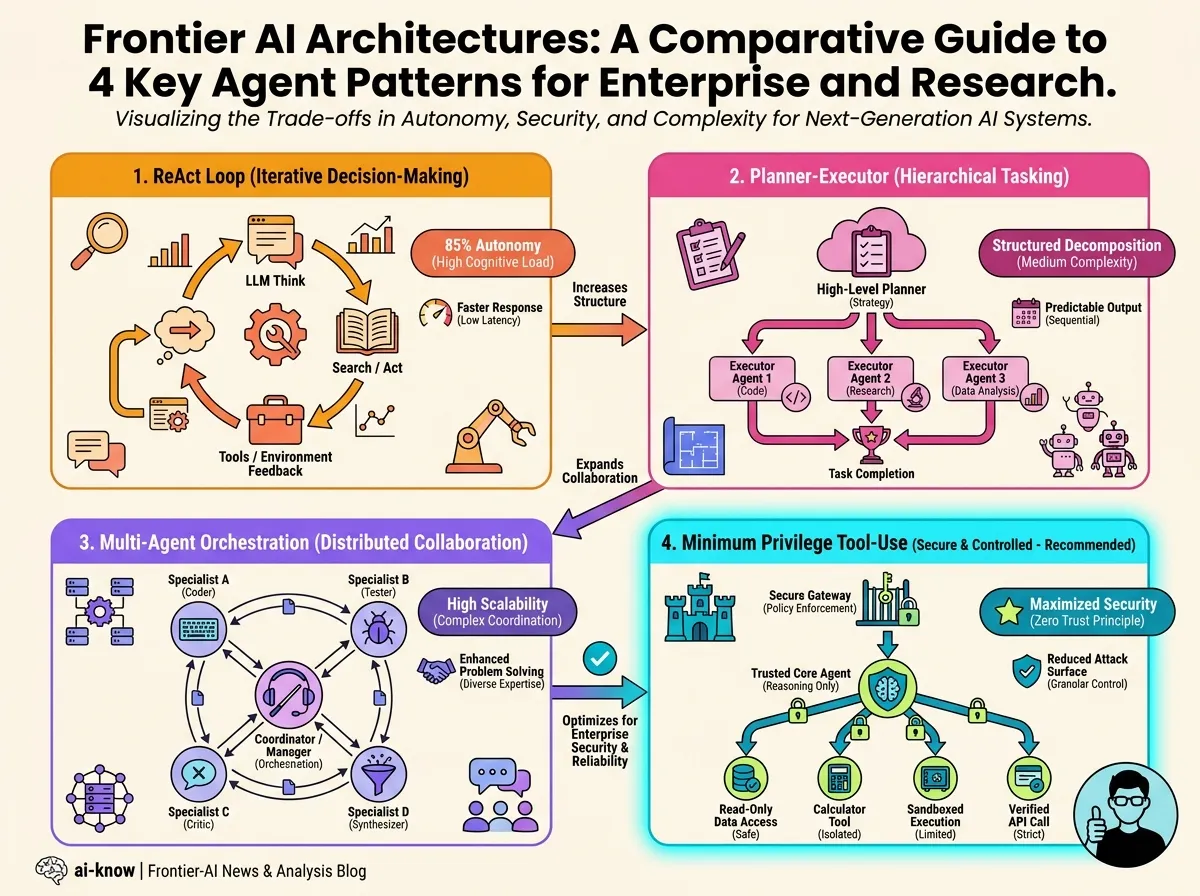
At the heart of Agentic AI architecture sits the ReAct loop (Reason + Act)—a cycle where an agent alternates between a reasoning phase and an action phase. It is currently the most widely implemented pattern, enabling a single agent to call tools iteratively while steering toward a goal.
“ReAct is the minimal unit of ‘think → act → observe.’ There is no agent design without it.” — guide author
What matters most is designing explicit termination conditions. Without three clear exits—tool error, context length overflow, and maximum step count—agents slide into infinite loops or unbounded cost spirals. The guide treats this as the cardinal rule of agent engineering.
Planner-Executor Separation
For complex, multi-step tasks, splitting responsibilities between a planner agent (task decomposition) and one or more executor agents (subtask execution) pays dividends. This is the archetypal Multi-Agent Orchestration pattern: the planner constructs a structured plan, delegates subtasks to executors running their own ReAct loops, and reconciles results.
The key advantage is independent error recovery—a failed subtask can be retried in isolation without restarting the full plan, and the planner can revise its roadmap as new information surfaces.
MCP: Standardizing Tool Connectivity
Model Context Protocol (MCP) (MCP), the AI-to-tool standard pioneered by Anthropic, achieved industry-wide adoption in 2026. Where each agent once maintained bespoke Tool Use integrations, MCP now provides a unified interface—dramatically improving cross-ecosystem compatibility and reducing integration overhead.
MCP also sharpens a critical design question: which tools should each agent see? Exposing the full toolset to every agent violates the principle of least privilege and creates unnecessary security surface. The recommended pattern is to assign each executor the minimum viable tool set required for its specific subtask.
Production: Human-in-the-Loop and Rollback Design
The most frequently overlooked dimension of production deployment is deliberate Human-in-the-Loop (HITL) design. The more autonomously an agent operates, the more intentional the interruption points must be. The guide’s core rule: always require human confirmation before irreversible operations—data deletion, external messaging, financial transactions.
On the error-handling side, the key is designing rollback-safe operation sequences: persist intermediate state after each tool call so a failure can unwind cleanly. Structured logging and distributed tracing are not optional; they are the baseline for debuggability and compliance.
Choosing the Right Pattern
A quick decision heuristic: single, self-contained tasks → ReAct loop; complex multi-step tasks with dependencies → planner-executor; tasks spanning multiple domains or teams → Multi-Agent Orchestration. For tool design, default to least privilege, use Model Context Protocol (MCP) as the standard interface, and scope each executor’s tool access tightly.
Agent development in 2026 has crossed the threshold from “good enough to demo” to “reliable enough for production.” The design choices the field once glossed over now carry real cost consequences—making guides like this one required reading for any team shipping agentic systems.
Related Articles
The Year AI Agents Reshape Enterprise Systems — MCP Becomes the Connectivity Standard
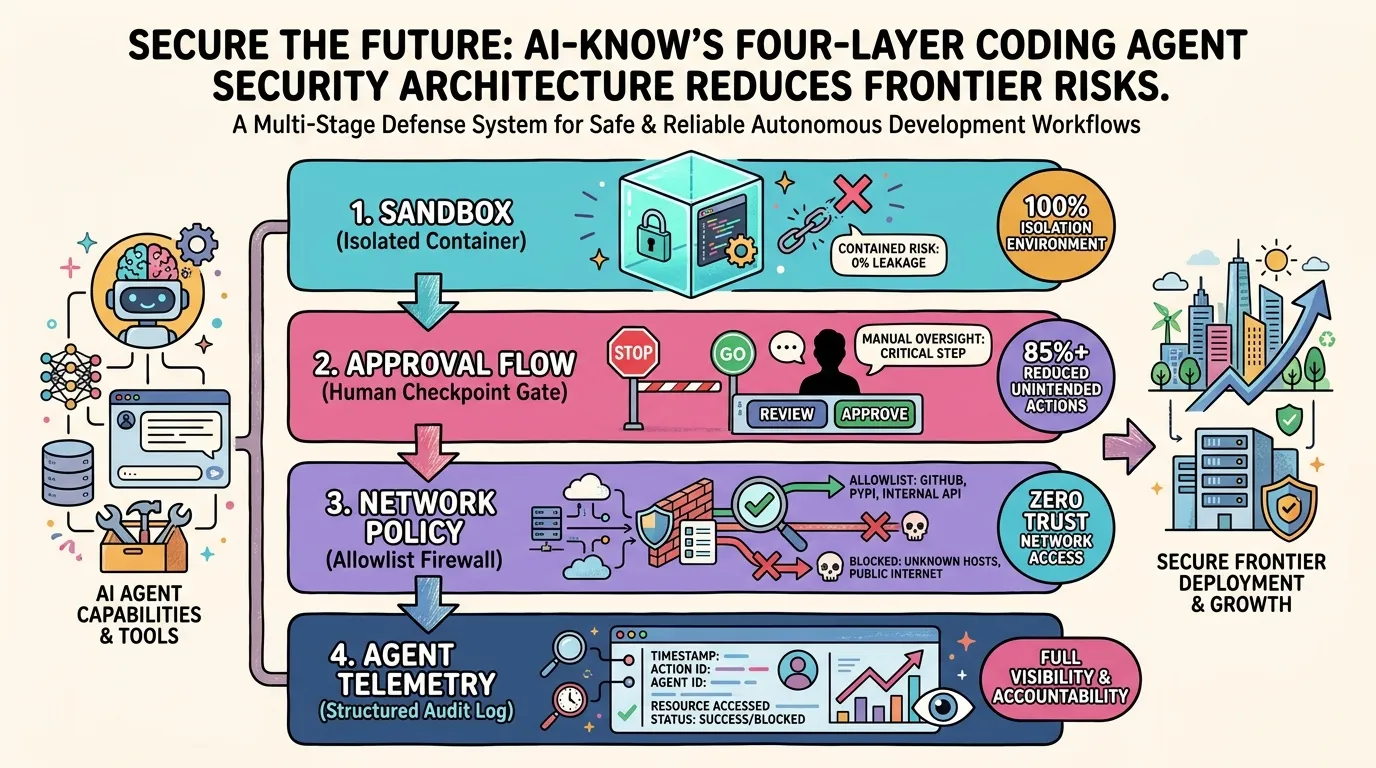
OpenAI's Four-Layer Defense for Codex — Engineering Safe Agentic Code Execution
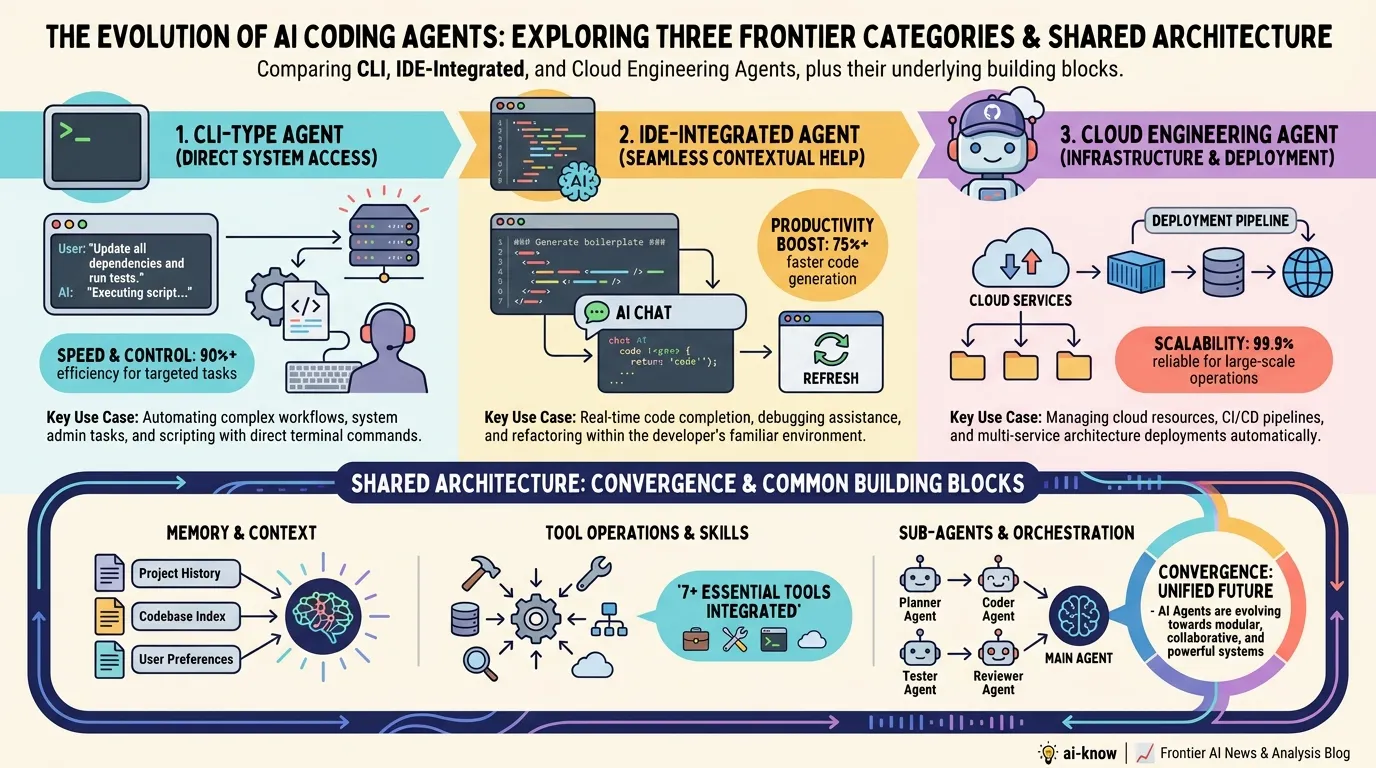
The State of AI Coding Agents in 2026: Architectural Convergence and the Context Engineering Era
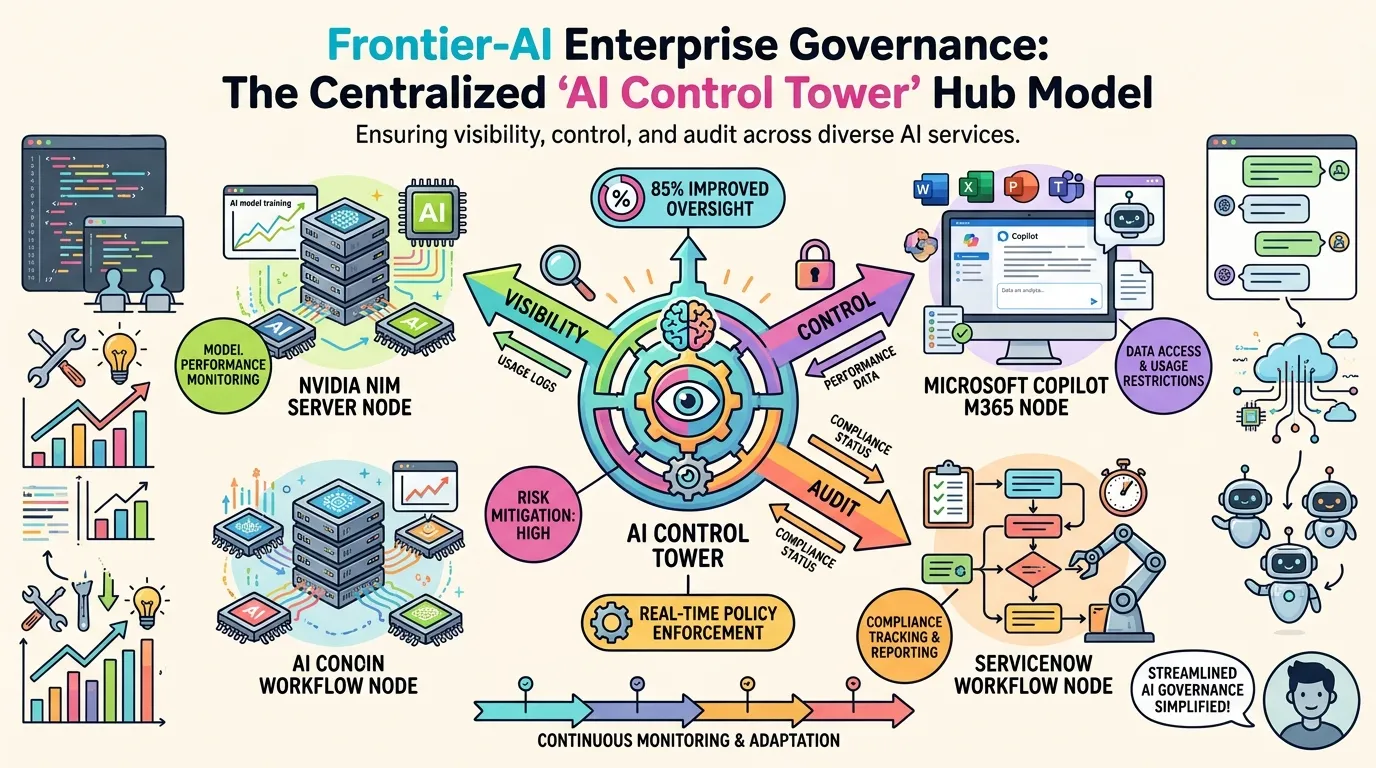
ServiceNow's AI Control Tower: Agentic AI Governance from Desktops to Data Centers
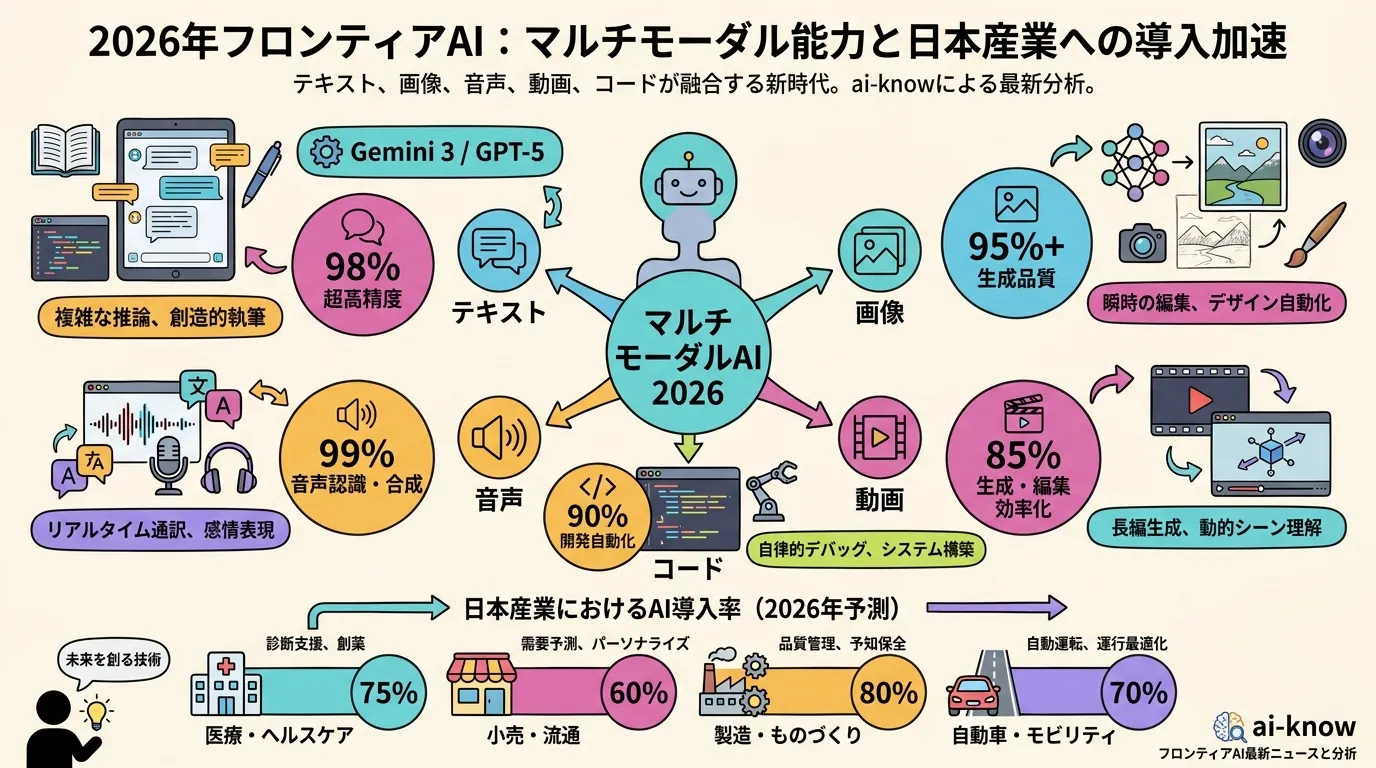
Multimodal LLMs Become Essential Infrastructure: Japan Adoption Trends and the Native Multimodal Shift in 2026